
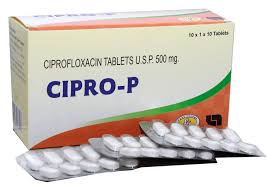

Description
Therapeutic action
– Fluoroquinolone antibacterial
Indications
– Shigellosis, typhoid fever, cutaneous anthrax
– Uncomplicated acute cystitis in non-pregnant women or in the event of previous treatment failure,
acute prostatitis, uncomplicated acute pyelonephritis, chancroid
Presentation
– 250 mg and 500 mg tablets
– 250 mg/5 ml granules and solvent for oral suspension
Dosage
– Shigellosis, typhoid fever, cutaneous anthrax
Child over 1 month: 30 mg/kg/day in 2 divided doses (max. 1 g/day)
Adult: 1 g/day in 2 divided doses
– Uncomplicated acute cystitis in non-pregnant women
Adult: 500 mg/day in 2 divided doses
–
Acute cystitis (in the event of recurrence or treatment failure), acute prostatitis, chancroid
Adult: 1 g/day in 2 divided doses
–
Uncomplicated acute pyelonephritis
Adult: 1 to 1.5 g/day in 2 to 3 divided doses
Duration
– Shigellosis, uncomplicated cystitis, chancroid
: 3 days; cystitis (in the event of recurrence or treatment failure)
5 days; typhoid fever: 5 to 7 days; pyelonephritis: 7 days;
Contra-indications, adverse effects, precautions
cutaneous anthrax: 7 to 10 days; prostatitis: 28 days
– Do not administer to patients with history of allergy or tendinitis due to fluoroquinolones.
– Administer with caution to epileptic patients (risk of seizures).
– Reduce the dose by half in patients with renal impairment.
– May cause: gastrointestinal disturbances, neurological disorders (headache, dizziness, confusion,
hallucinations, seizures), allergic reaction, peripheral neuropathy, photosensitivity (protect skin from sun
exposure), arthralgia, myalgia, tendon damage (especially Achilles tendinitis), QT interval prolongation,
hypo/hyperglycaemia, haemolytic anaemia in patients with G6PD deficiency. In the event of allergic
reaction, severe neurological disorders, peripheral neuropathy or tendinitis, stop treatment immediately.
– Avoid combination with drugs that prolong the QT interval (amiodarone, chloroquine, co-artemether,
fluconazole, haloperidol, mefloquine, ondansetron, pentamidine, quinine, etc.).
– Monitor patients taking glibenclamide (risk of hypoglycaemia).
– Do not administer simultaneously with antacids (aluminium or magnesium hydroxide, etc.), iron salts,
calcium. Administer 2 hours apart.
– Drink a lot of liquid during treatment (risk of crystalluria).
Pregnancy
: reserved for severe infections, when there is no therapeutic alternative.
Breast-feeding: no contra-indicatioN


Reviews
There are no reviews yet.